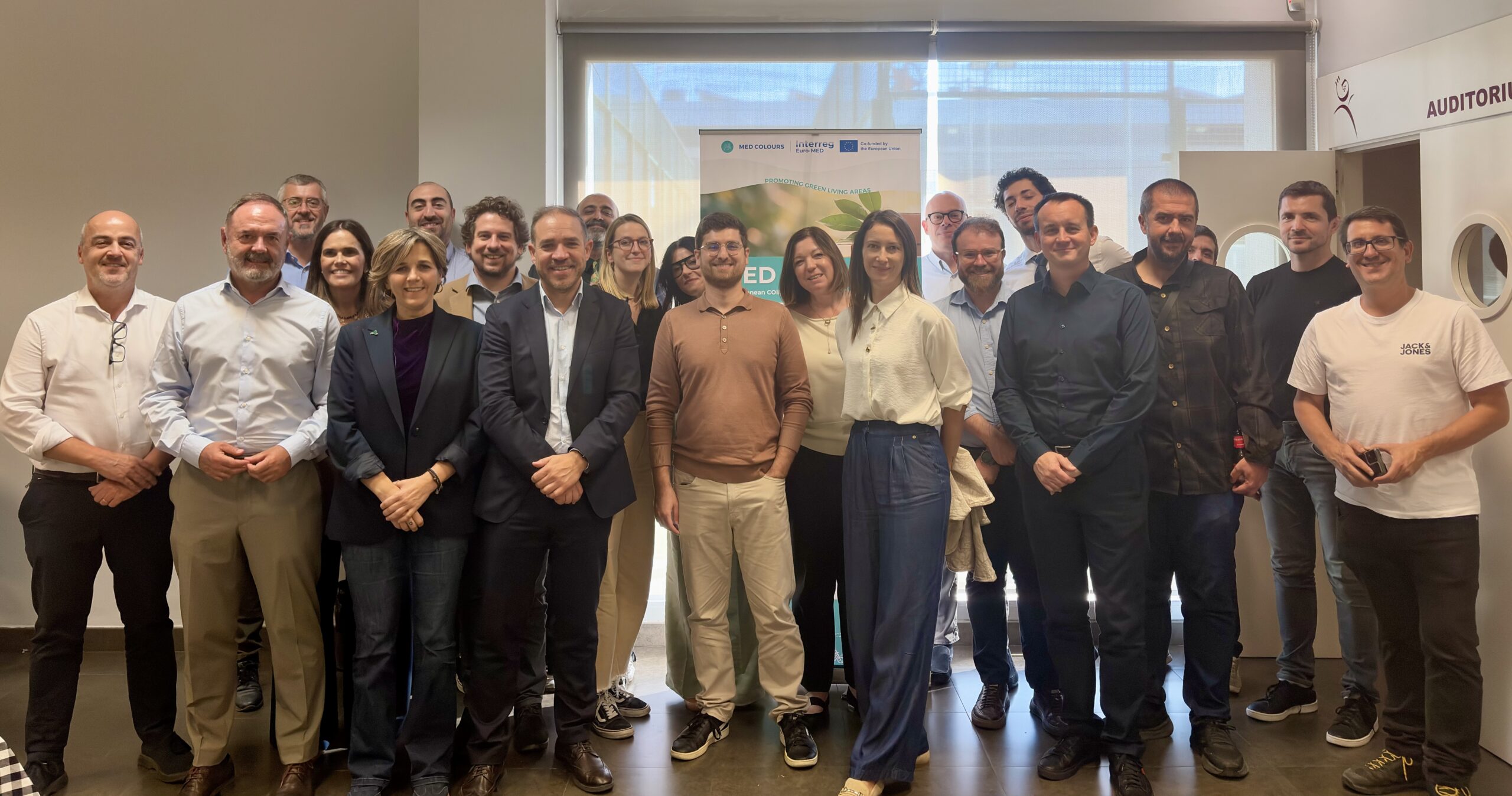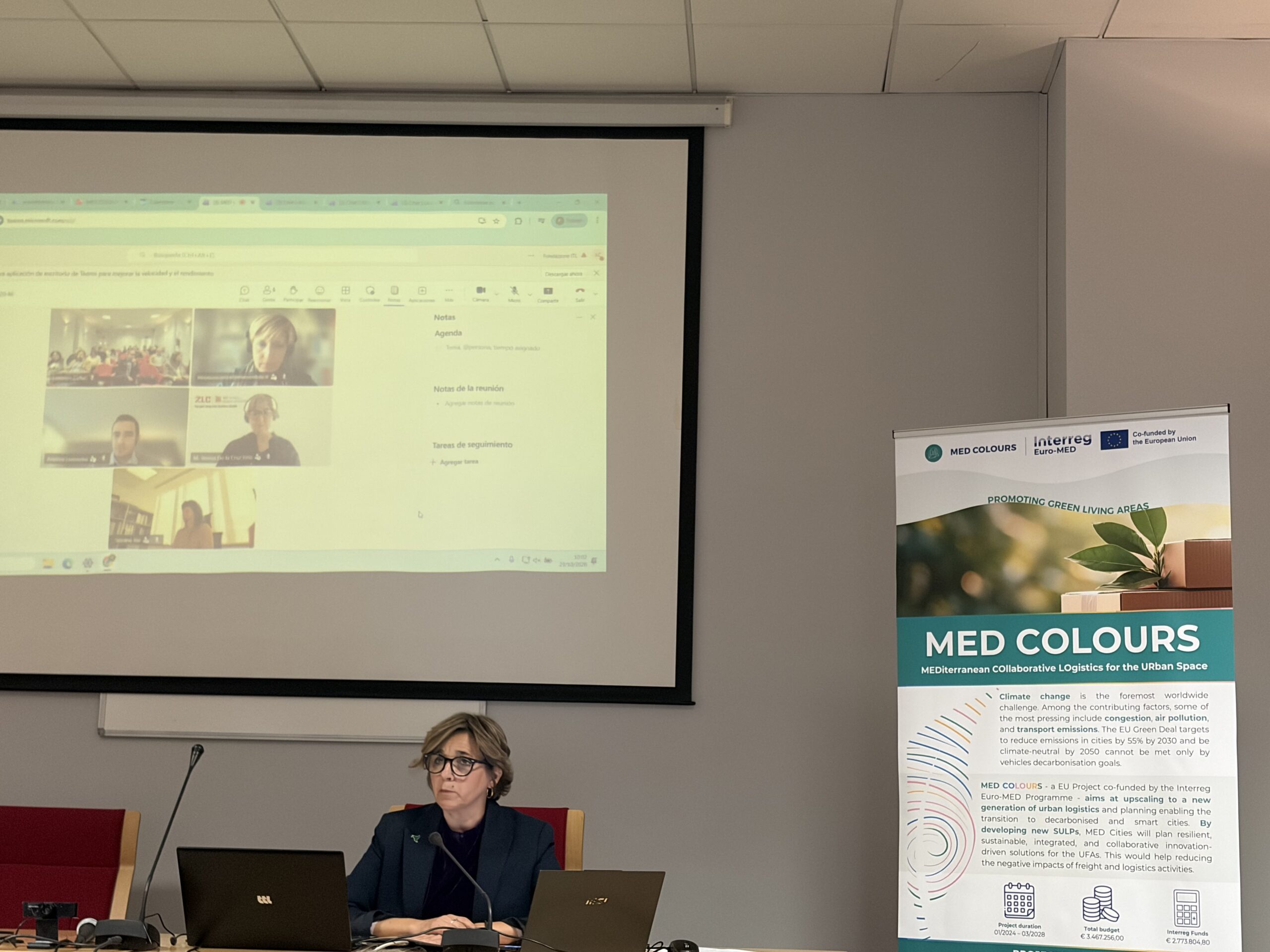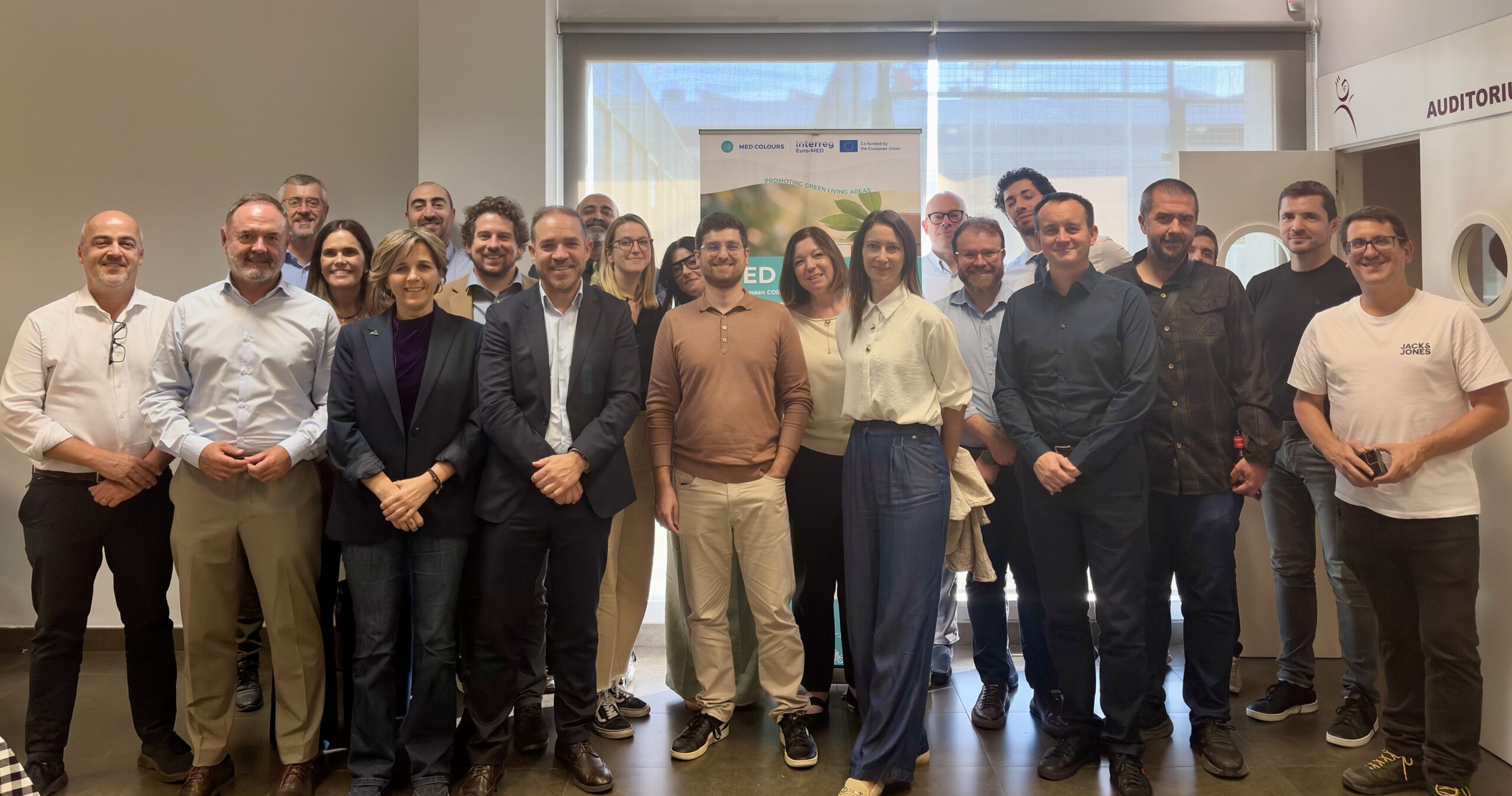

On 29 October 2026, MED COLOURS partners gathered in Granada, Spain, for the first in-person Consortium Meeting of the project’s Transfer Phase. Hosted by the Municipality of Granada at the Granada Convention Bureau, the meeting combined progress updates and capacity-building activities to support sustainable urban logistics planning in the three new receiver cities: Ferrara, Maribor and Granada.
Launched on 1 July 2026, the Transfer Phase builds on the methodology and experience developed during the Test Phase to support these municipalities in developing Sustainable Urban Logistics Plans (SULPs). The Granada meeting provided an opportunity to review the preparatory work underway, discuss local priorities and coordinate the next steps with the project’s technical partners.
Preparing the ground for SULPs in Ferrara, Maribor and Granada
Following the welcome from the Municipality of Granada and the project overview by ITL Foundation, coordinator of the MED COLOURS project, the morning sessions focused on the conditions needed to develop effective and resilient SULPs. CERTH introduced the preparatory framework, covering local working structures, stakeholder engagement, data availability and the assessment of each city’s planning readiness.
Representatives from the three receiver cities then presented their urban logistics contexts and priorities. Maribor outlined its work on stakeholder mapping and data collection, with attention to delivery access, potential consolidation hubs and logistics management in pedestrian areas. Ferrara explored the links between its mobility planning framework, restricted traffic zones and future SULP, including opportunities for digital access control and improved loading-bay management. Granada highlighted the challenges of delivering goods in a historic city, where narrow streets, tourism and competing demands for public space call for carefully adapted logistics solutions.
MemEx presented the approach and preliminary work plan for SULP development, drawing on lessons from the Test Phase. Discussions addressed how to connect the plans with existing mobility strategies, organise participatory processes and prepare for formal adoption.
Extending knowledge transfer across the Mediterranean
A dedicated session explored the activities supporting the wider uptake of MED COLOURS results. The University of Maribor presented a proposed methodology for reviewing urban logistics planning documents across the EU, with the aim of building a comparable evidence base and identifying transferable approaches.
Partners also discussed capacity-building and knowledge-transfer activities, exploring opportunities within the Green Living Areas Mission to share the project’s expertise and support its application in other Mediterranean cities.
From shared experience to practical planning
The afternoon capacity-building workshop opened with ITL Foundation’s presentation of the Cesena SULP, offering the receiver cities a concrete reference from the Test Phase.
Participants then took part in interactive working sessions with the project’s technical partners, exploring planning readiness, data needs and potential challenges in SULP development. The discussions enabled city representatives to exchange experiences and identify priorities and support needs for the next stages of the planning process.
Exploring urban logistics in Granada’s historic centre
On 30 October, the programme continued with a walking site visit led by local architect Blanca Espigares. Focusing on sustainable urban mobility and low-carbon logistics, the visit explored how Granada’s historic centre balances the protection of cultural heritage with everyday transport and delivery needs.
The visit connected the previous day’s planning discussions with the realities of urban space, providing an opportunity to consider last-mile distribution and pedestrian accessibility in a historic setting.
Through technical exchange and practical learning, the Granada meeting advanced the cooperation supporting Ferrara, Maribor and Granada as they prepare their SULPs, while strengthening the transfer of MED COLOURS knowledge to new Mediterranean territories.
A special thanks goes to the Municipality of Granada for its warm hospitality and excellent organisation of the meeting!